Procrastination is rarely laziness. It's usually one of two things wearing a trench coat: the task is vague, or the task is scary. Every trick that works, works by attacking one of those two.
Here are five that hold up in real life, starting with the famous one.
1. The 2-minute rule (both versions)
There are two 2-minute rules and they're both worth stealing.
Version one: if something takes less than two minutes, do it now instead of managing it. Replying "yes, Thursday works" now costs two minutes. Tracking that reply as a to-do costs more.
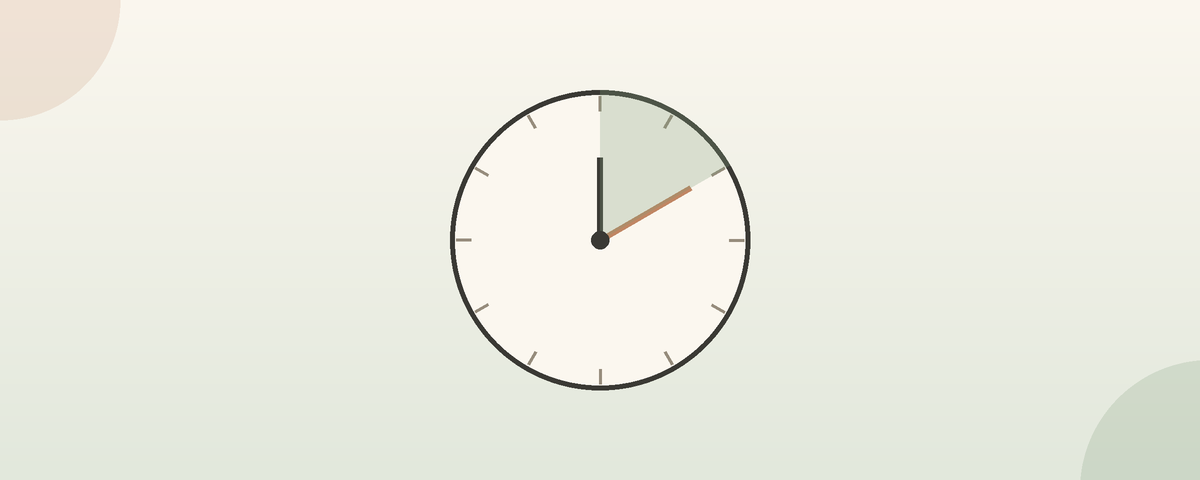
Version two: when a big task repels you, commit to only the first two minutes. Don't "write the report" — open the document and write one ugly sentence. Starting is a different skill than finishing, and it's the one procrastinators are missing. Most of the time, two minutes in, you keep going. When you don't, two minutes of progress still beats another day of dread.
2. Name the actual next action
"Sort out the insurance" is not a task — it's a project wearing a task costume, and your brain knows it. That's why it bounces off.
Rewrite it as the literal next physical action: "find the policy number in my email." If you still don't do it, the action is still too big. Shrink it again. You can't procrastinate on something smaller than your resistance.
3. Schedule it or admit it
A to-do list is a pile of unscheduled intentions. Things get done when they have a when.
Take the task you've moved forward four days in a row and give it a slot: "Tuesday, 9:00, thirty minutes." If you look at your calendar and refuse to give it a slot anywhere — that's useful information too. Either it doesn't matter (delete it) or it scares you (see #4).
4. Lower the bar for the scary ones
Perfectionism is procrastination with better PR. If a task has been rotting on your list for weeks, the version of it in your head is probably gold-plated: the perfect email, the complete plan.
Deliberately aim for a C+. Write the bad first draft, sketch the incomplete plan. A C+ that exists outranks an A+ that doesn't, and — annoyingly — the C+ usually turns out fine once it's out of your head.
5. Make the score visible
Willpower is unreliable; not wanting to break a visible chain is weirdly durable. Track the one habit you're avoiding — writing, applying, studying — as a simple row of boxes on paper where you can see it. Every filled box makes the next empty one more expensive to your pride. It's a cheap trick. It works anyway.